
By Byeong
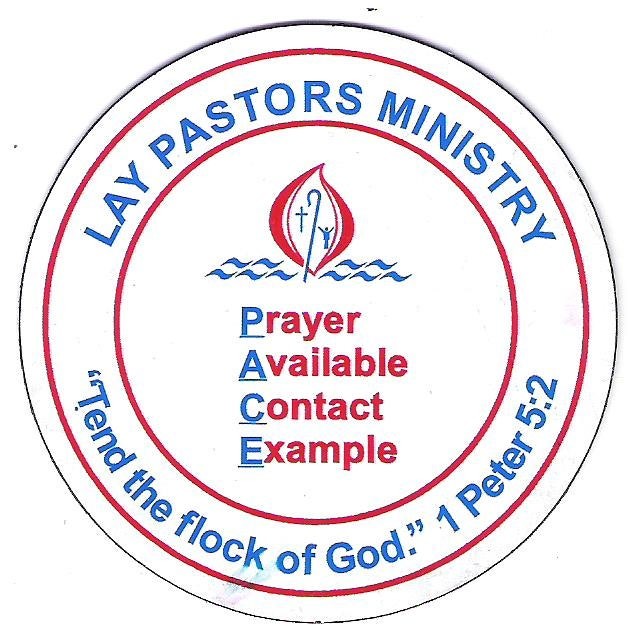
Lay Pastors Ministry (LPM) provides a much broader vision of ministry. We can think of PACE as the simplified form of that vision.
Sometimes we use the phrase SIBKIS — “See It Big, Keep It Simple.”
LPM addresses the whole ministry of lay pastoral care, while PACE focuses specifically on the caring responsibilities of individual lay pastors—their basic job description. There are several important distinctions between PACE and LPM.
PACE emphasizes one-to-one care, whereas LPM emphasizes group care and congregational care. PACE centers on personal relationships between a lay pastor and an individual or family. LPM, however, relates to the entire congregation and seeks to create a caring network throughout the church. To make such a network effective, there must be strong leadership, a well-defined system, and a larger vision that guides the ministry.
By definition, PACE is limited to the relationship between a lay pastor and those under his or her care. LPM, on the other hand, shapes the culture, direction, and structure of the entire church. PACE focuses on the task of the laity, while LPM focuses on the pastor’s responsibility to equip, organize, and lead the ministry.
Dr. Melvin’s first book primarily explains PACE, while his second book presents the broader vision of LPM. Although the two books are different, each provides a complete picture in its own right. Yet when viewed together—like two complementary pictures hanging on a wall—they create a fuller and more powerful vision. Together they generate greater energy, provide a stronger structure for ministry, foster a caring culture, and inspire a larger vision for the church.
In this way, PACE and LPM are not competing concepts; rather, they complement one another. PACE provides the practical ministry of caring, while LPM provides the vision, leadership, and system that enable that caring ministry to flourish throughout the entire church.